9 Upcycling Ideas Worth a Weekend (and Two That Aren’t)
Upcycling has a reputation for projects that look great in a photo and peel off in six months. Almost every time, the cause is the step nobody photographs: cleaning, sanding, priming. The paint or the glue was fine. The surface under it wasn’t ready.
The nine ideas below include that step, every time. And at the end there are two popular projects we’d rather you skipped.
Upcycling Ideas That Last Longer Than the Photo
The rule that applies to everything here: clean, scuff, prime, then finish. Degrease with a mild cleaner, scuff glossy surfaces with fine sandpaper so paint can grip, use a primer made for the material, and only then paint. On old wood with stains or knots, a shellac-based primer stops them bleeding through the new color.
One safety step for old furniture: paint on pieces made before 1978 may contain lead. Test it with a lead test kit from a hardware store before sanding, and if it’s positive, don’t sand it indoors or dry.
1. Glass jars into pantry storage
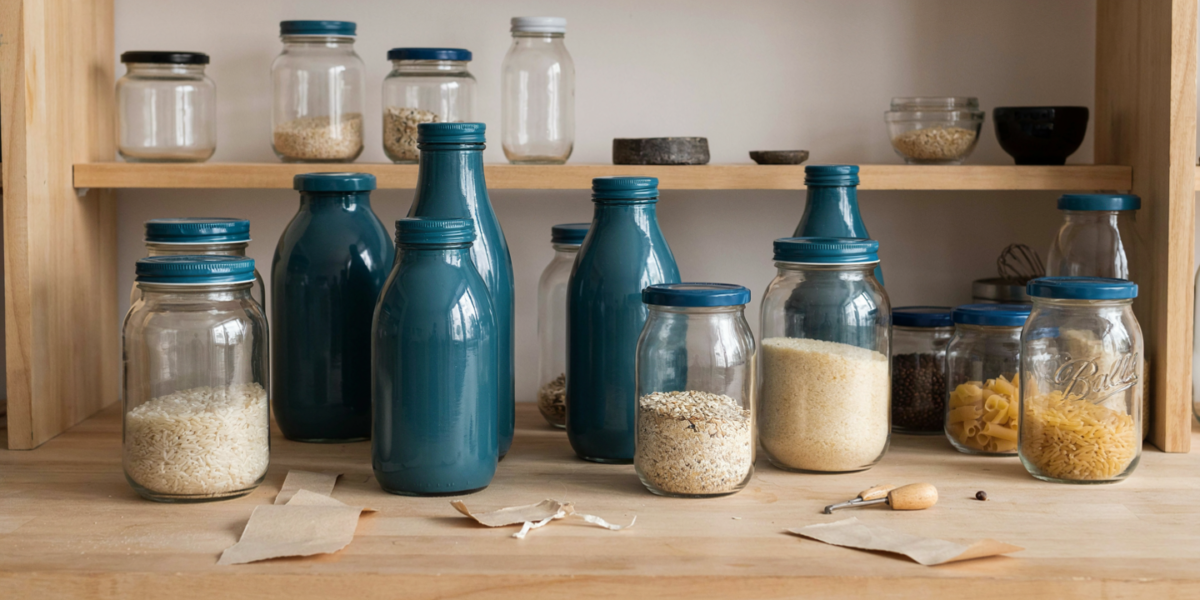
Soak jars in warm soapy water to lift the labels, then rub off the leftover adhesive with a little cooking oil or baking soda paste. Matching jars with plain lids turn a pantry shelf into something you’d want to open the door to.
Spray-paint the lids in one color if they don’t match. Leave the glass clear so you can see what’s inside.
2. A thrifted frame into a pinboard
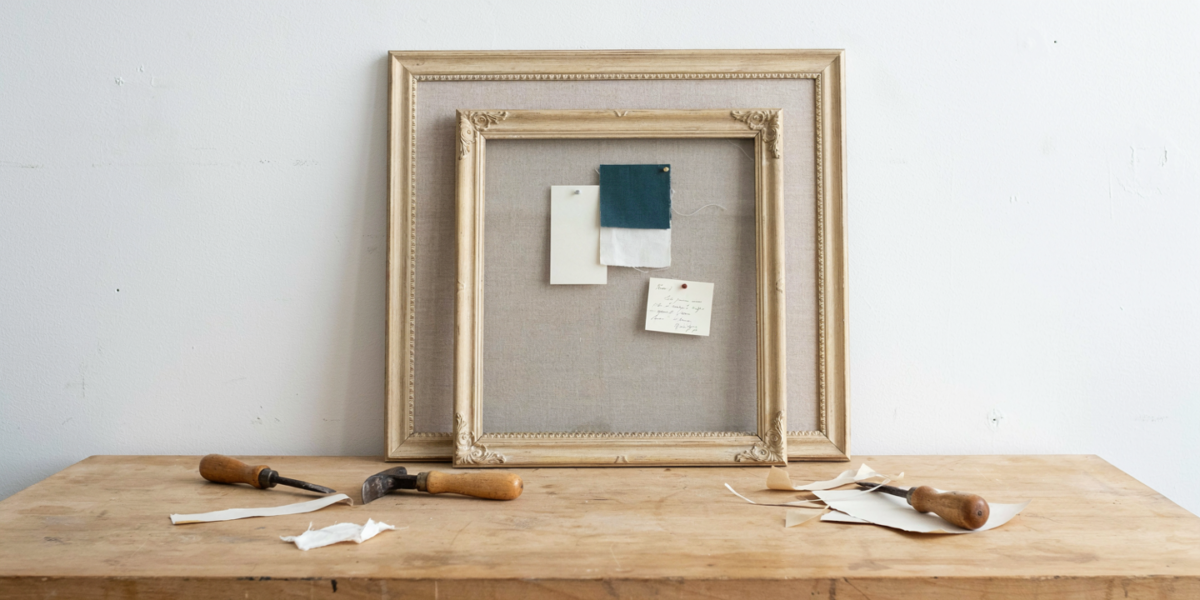
Take the glass out of a large thrifted frame, cut a piece of cork sheet or foam board to fit the backing, cover it with linen or burlap, and fit it back in. Paint the frame first if you want, with the scuff-and-prime step.
A big ornate frame from a thrift store costs a fraction of a new pinboard and looks much better.
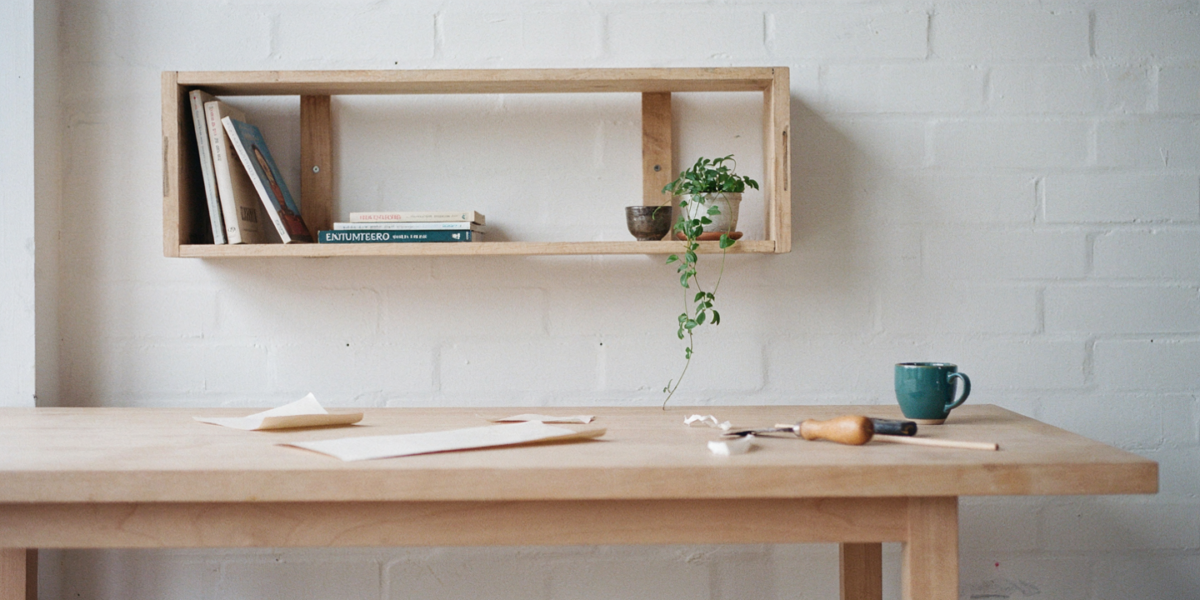
3. A wooden crate into a wall shelf
Sand the crate smooth, especially the inside edges, and finish it with a clear matte sealer or furniture wax. Mount it to the wall with screws into studs or suitable anchors, through the back boards rather than the thin sides.
Two or three crates mounted at different heights make a shelf system. Check what the crate is made of: thin slats are for light things.
4. A dresser with new paint and hardware
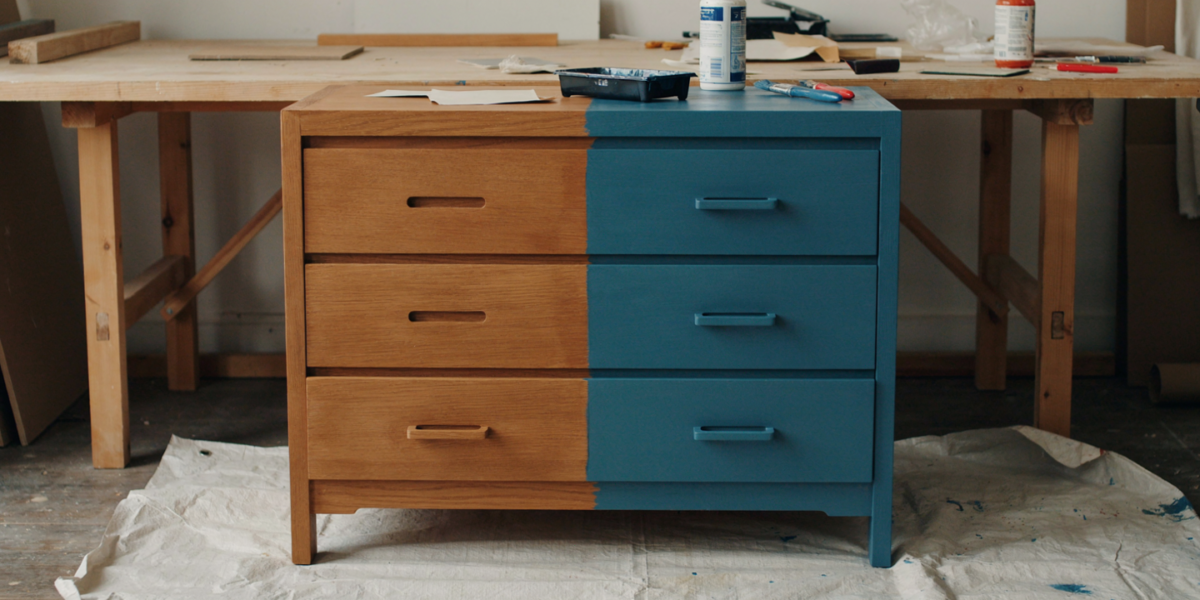
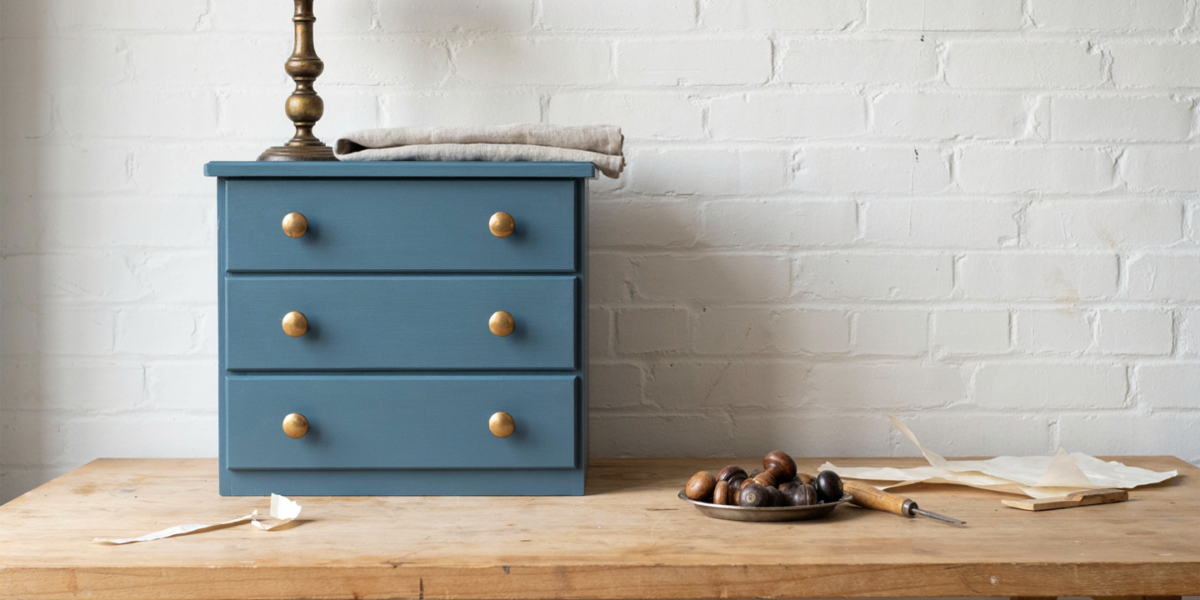
The classic upcycle, and the one with the biggest payoff. Remove the drawers and hardware, clean, scuff-sand every surface, prime, and paint in thin coats with a good brush or a small foam roller. Two or three thin coats beat one thick one every time. Then finish with new knobs or pulls.
Let it cure for longer than the can says before loading the drawers. Paint can be dry to the touch and still soft enough to stick.
5. Tin cans into planters
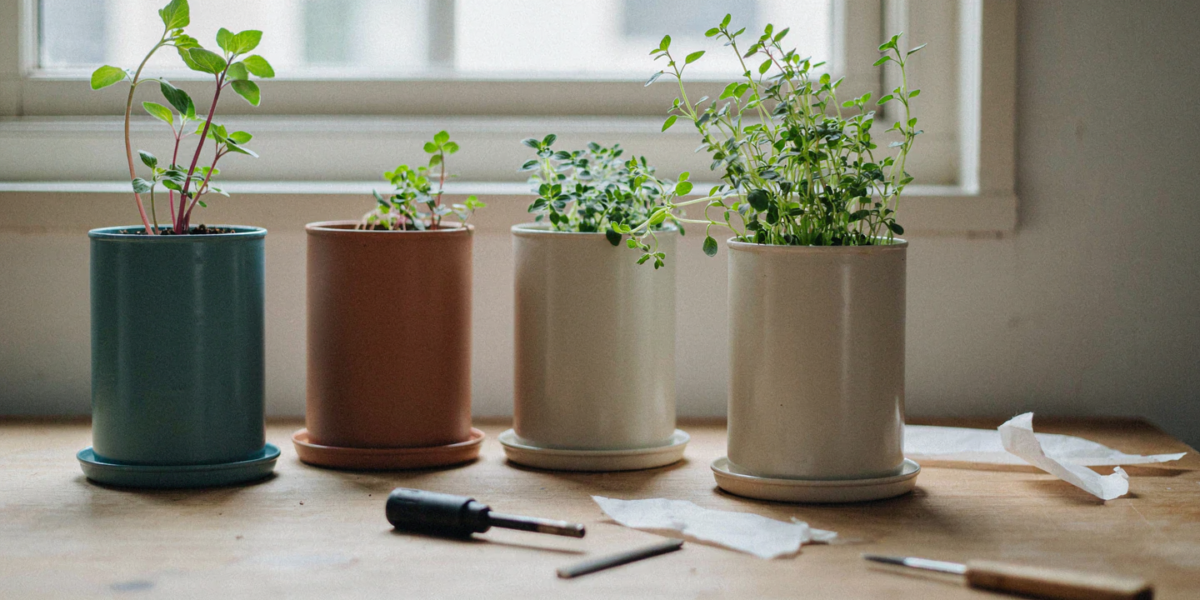
Remove the label and clean the can, file or tape any sharp edge at the rim, and drill or punch three or four drainage holes in the bottom. Prime with a metal primer, then paint.
Use them with a saucer, or indoors inside another pot, because they’ll drip.
6. An old ladder into a blanket ladder
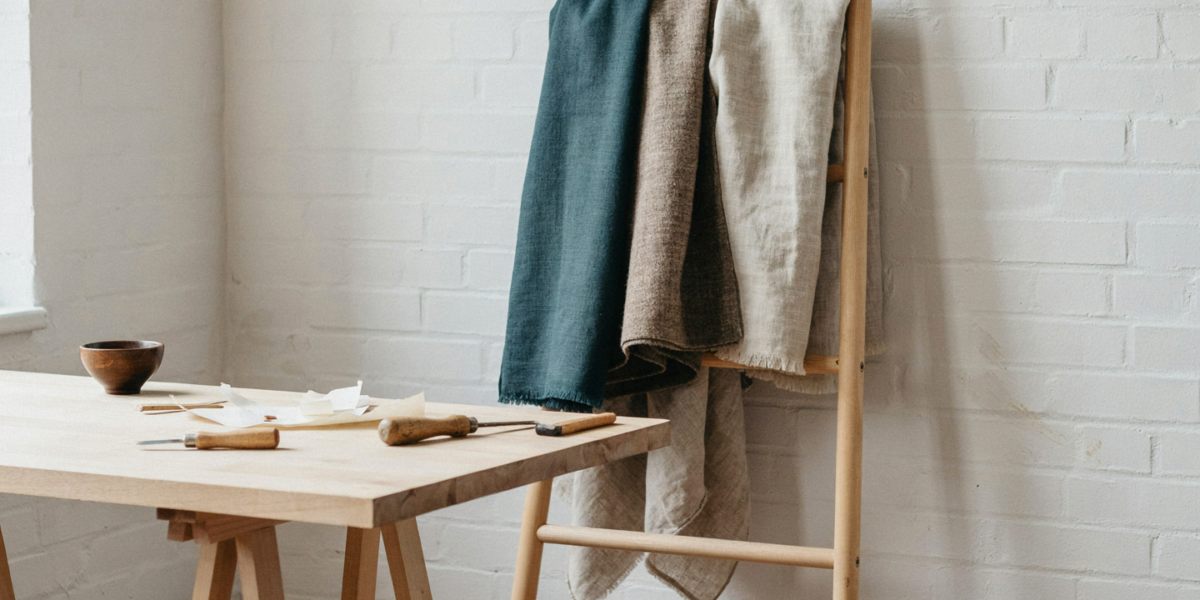
A wooden stepladder or an old orchard ladder that’s no longer safe to climb makes a good blanket rack. Clean it, sand off any splinters, and seal it with a matte finish. Lean it against the wall at a gentle angle, with a small rubber pad under each foot.
Never reuse a ladder for climbing after it’s been retired for being unsafe.
7. A drop-in chair seat, re-covered
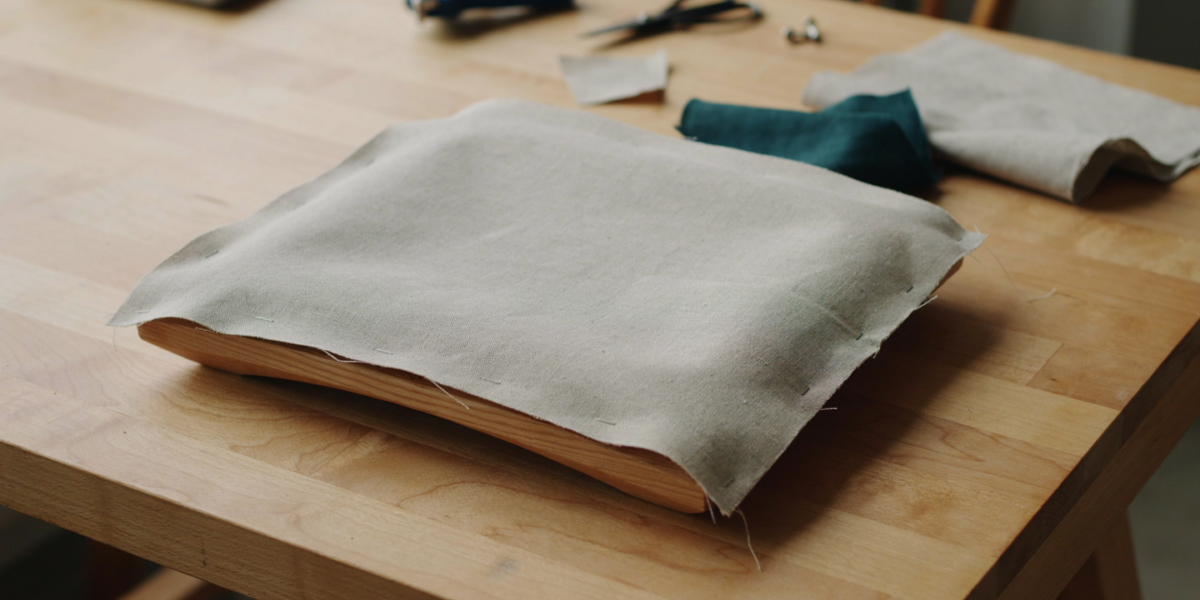
Most dining chairs have a seat that unscrews from underneath. Take it out, remove the old fabric, replace the foam if it’s flat, and staple new upholstery fabric over it, starting in the middle of each side and working toward the corners. Fold the corners like wrapping a present.
One chair takes about an hour. A set of four takes an afternoon and changes a room.
8. Wine bottles as candle holders or vases
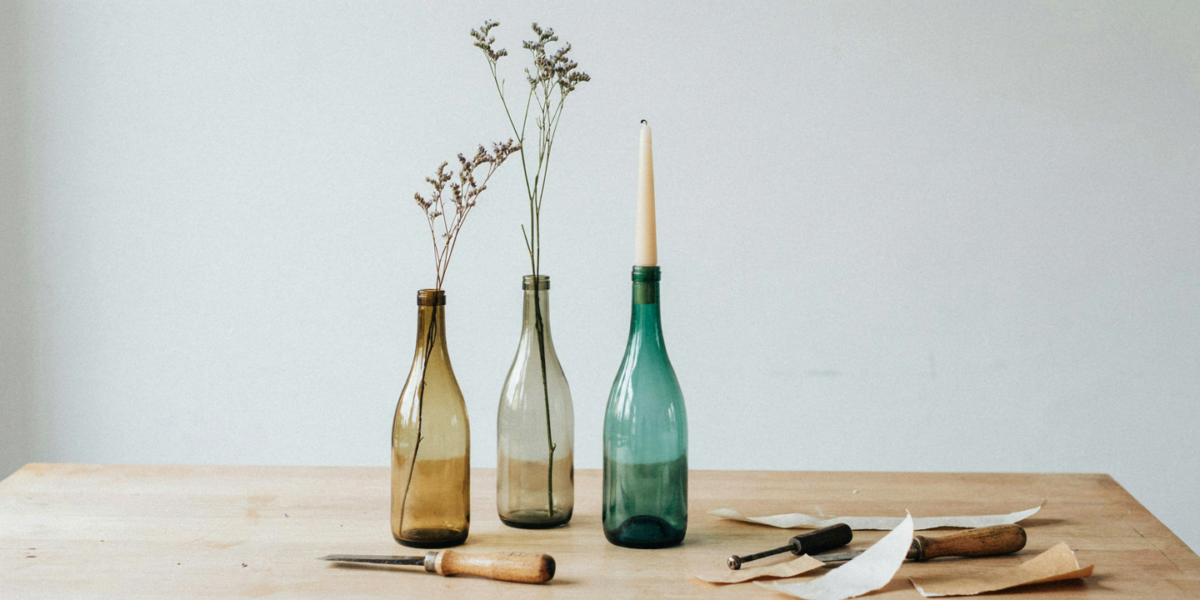
Clean the bottles, soak off the labels, and use them as they are: as vases for a single stem, or as holders for taper candles in the neck. A group of three clear or green bottles looks deliberate on a table.
We’d leave the glass uncut. See below.
9. An old sweater into a pillow or a pouf cover
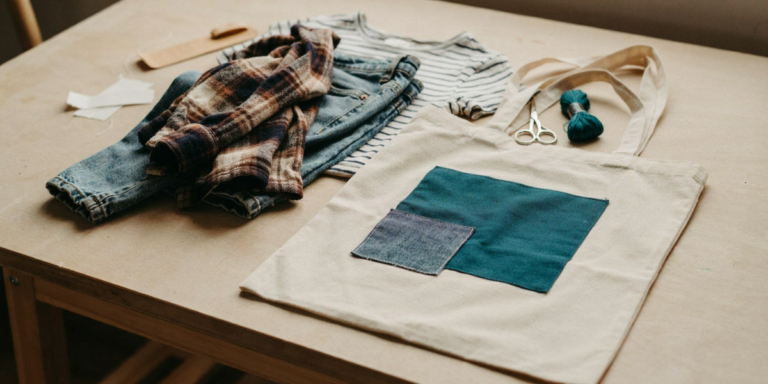
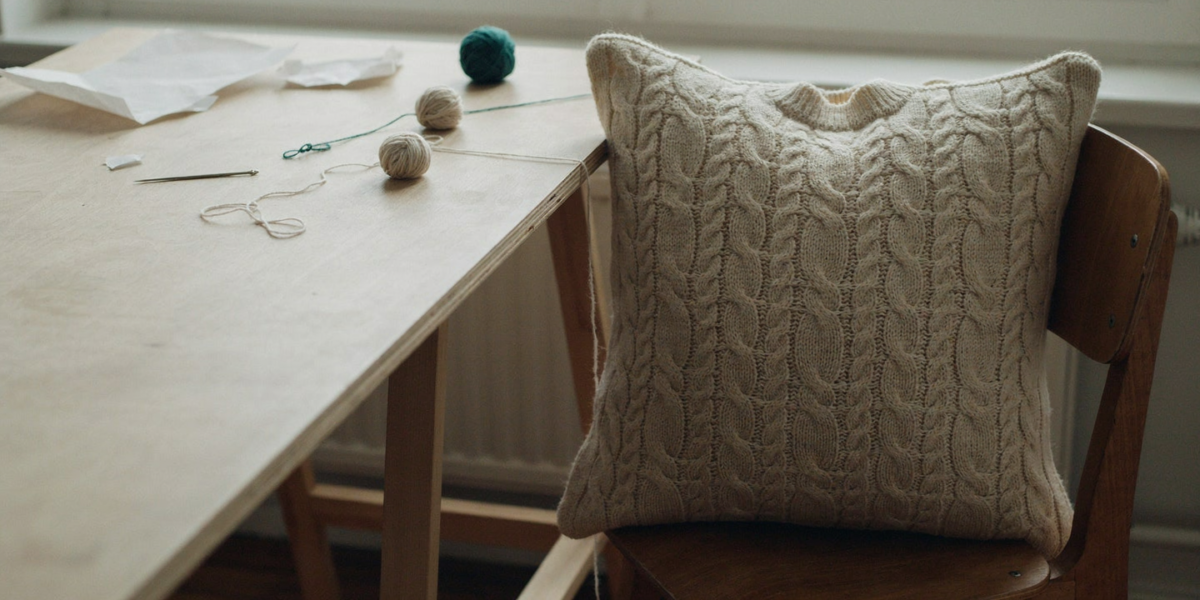
A chunky knit sweater slipped over a square pillow insert, with the neck and sleeves sewn shut, makes a textured cushion in an evening. More ideas for clothes in our guide to upcycling clothes.
What We Would Skip: Two Popular Projects
Cutting glass bottles with string and fire. It’s a popular technique and an unreliable one: the cuts are often jagged, the glass can crack unpredictably, and the edges need careful grinding to be safe. Use bottles whole.
Shipping pallet furniture indoors without checking the stamp. Pallets can be treated with chemicals, and many carry a stamp showing how. HT means heat-treated. MB means methyl bromide, a pesticide fumigant; don’t use those pallets indoors. Pallets with no stamp, or ones that have carried unknown spills, are best left alone.
Where We Would Start
Glass jars (1) this week. It’s the smallest project here, and it teaches cleaning and label removal, which every other project uses. Then a thrifted frame (2), which adds scuffing, priming and painting on something small before you try a whole dresser.
For first projects with no prep at all, see our easy DIY crafts.
Questions We Get Asked
What are good upcycling ideas for beginners?
Glass jars into pantry storage, a thrifted frame into a pinboard, tin can planters and re-covering a drop-in chair seat. All are small, cheap and forgiving.
How do you get paint to stick to old furniture?
Clean it, scuff-sand glossy surfaces, prime with a primer suited to the material, and paint in thin coats. A shellac-based primer blocks stains and wood tannins from bleeding through.
Is it safe to sand old painted furniture?
Test it for lead first if it was made before 1978, using a lead test kit from a hardware store. If it tests positive, don’t dry-sand it indoors; look up safe lead paint practices or leave it unpainted.
How do you remove sticky label residue from jars?
Soak the jar in warm soapy water, peel the label, then rub the residue with a little cooking oil or a paste of baking soda and oil, and wash again.
What can I upcycle from the thrift store?
Frames, dressers, side tables, wooden chairs, crates, baskets, glass jars and lamps are the most common good finds. Look for solid construction and ignore the finish, which you’ll change anyway.
Can I use pallets for furniture?
Only pallets stamped HT, meaning heat-treated, and preferably ones that are clean and haven’t carried spills. Avoid pallets stamped MB, which were fumigated with methyl bromide.